Best Sleep Schedule for Night Shifts (Backed by Science)
Quick Summary
- Anchor sleep — keep a consistent 3-4 hour sleep window every day, working or not
- Blackout your room — curtains, ear plugs, and phone on Do Not Disturb are non-negotiable
- Use the 90-minute rule — plan sleep in cycles of 90 minutes for better wake-ups
- Transition smartly — short sleep after your last night shift, then force a normal bedtime
Short Answer: The best sleep schedule for night shifts is the anchor sleep method — keep a fixed 3-4 hour sleep block (e.g. 3am–7am) every day, then add extra sleep around your shifts. Combine this with blackout curtains, no caffeine after 3am, and the 90-minute cycle rule to maximise sleep quality.
This article contains affiliate links. If you buy through these links, we may earn a commission at no extra cost to you.
Why Night Shift Sleep Is So Hard
Your body clock runs on a 24-hour cycle called your circadian rhythm. It wants you awake when it's light and asleep when it's dark. Night shifts flip that completely, and your body fights it every step of the way.
The result? You get home shattered, sleep for 3-4 hours, then lie there wide awake at 2pm wondering why your brain won't switch off.
The good news: you can train your body to adapt. It won't be perfect, but it can be a lot better than what you're doing now.
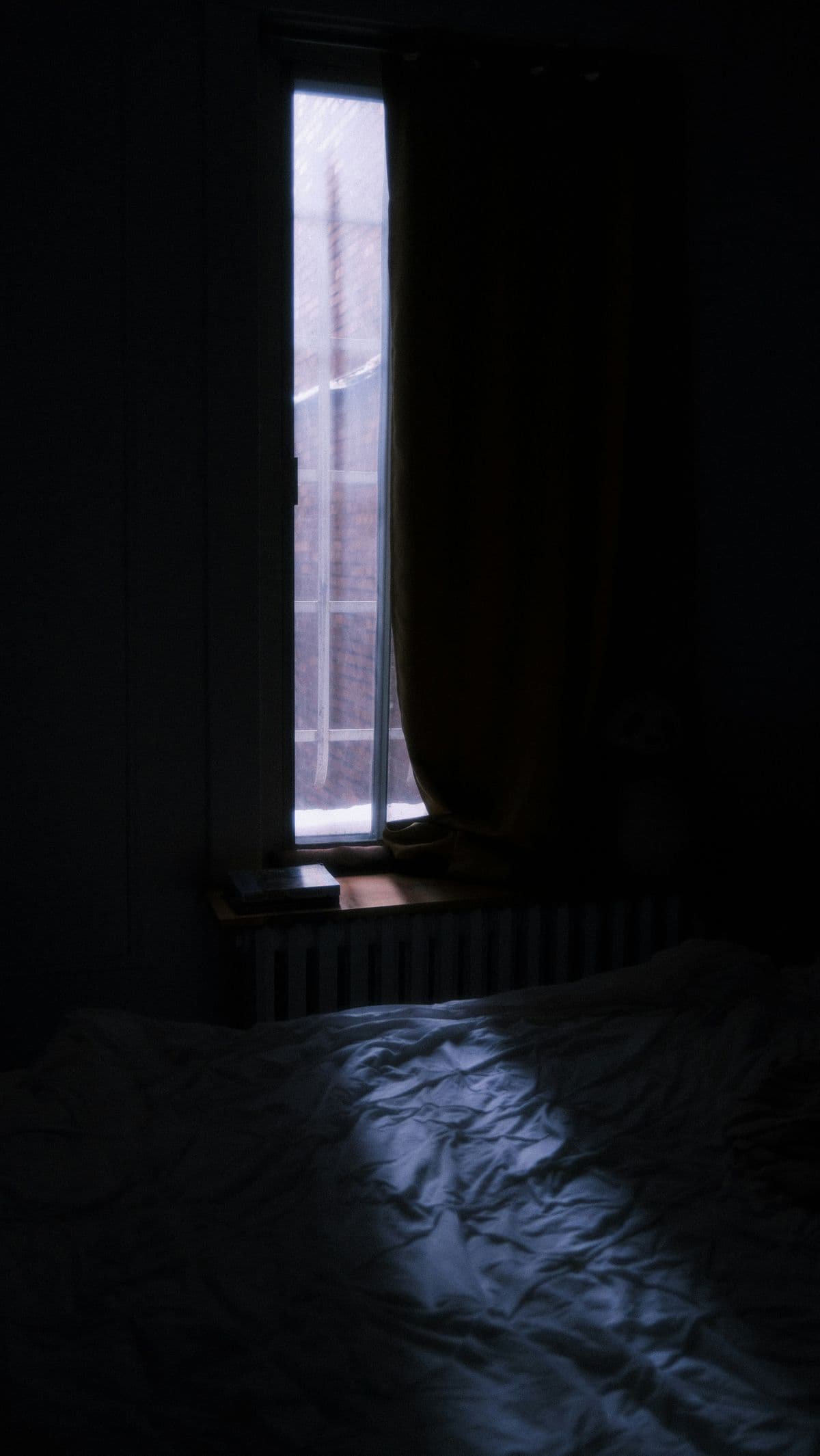
The Anchor Sleep Method
The most effective approach for shift workers is anchor sleep — keeping a consistent 3-4 hour sleep window every single day, regardless of whether you're working or off.
How It Works
On night shift days (e.g. 7pm–7am):
- Get home, wind down for 30 minutes (no phone scrolling)
- Sleep from about 8am to 3pm (7 hours)
- Wake up, eat a proper meal, get some daylight
- Head to work
On days off:
- Keep your anchor sleep block: sleep from roughly 3am to 10am
- This overlaps with your work-day sleep, keeping your body clock somewhat stable
- Use the daytime normally — shopping, family, life
The key is that 3am–10am window stays consistent whether you're working or not. Your body gets used to always sleeping during those hours.
Creating the Right Sleep Environment
Your bedroom needs to trick your brain into thinking it's night time at 8am. That means:
Blackout curtains are non-negotiable. Not "quite dark" — properly dark. You can get blackout blinds from Dunelm for about £15, or use blackout curtain liners (buy on Amazon) for under £10. Some people tape tin foil to the windows. It's not pretty, but it works.
Temperature matters. Your body drops its core temperature to fall asleep. Keep the room at 16-18°C. A fan helps in summer — the white noise is a bonus.
Ear plugs or white noise. The rest of the world is awake. Bin lorries, neighbours, school runs — you need to block it out. Foam ear plugs (buy on Amazon) cost about £3 for a pack of 20. A white noise app on an old phone works too.
Phone on Do Not Disturb. Tell your family not to text between your sleep hours unless it's a genuine emergency.
The 90-Minute Rule
Sleep happens in 90-minute cycles. You feel most refreshed when you wake up at the end of a cycle rather than in the middle of one.
Plan your sleep in multiples of 90 minutes:
- 4.5 hours = 3 cycles
- 6 hours = 4 cycles
- 7.5 hours = 5 cycles
If you can only get 5 hours, you're better off setting your alarm for 4.5 hours and waking at the end of a cycle than sleeping 5 hours and waking mid-cycle feeling groggy.
What to Do Before Sleep
1 hour before bed:
- Eat something light but filling — porridge, toast with peanut butter, a banana
- Avoid heavy meals (your digestion will keep you awake)
- No caffeine after 3am on your shift
30 minutes before bed:
- Dim the lights or use a lamp instead of the main light
- Put your phone down (blue light suppresses melatonin)
- Have a warm shower — the drop in body temperature afterwards triggers sleepiness
Avoid:
- Alcohol — it might knock you out but wrecks your sleep quality
- Scrolling social media in bed
- "Just one episode" of anything
Napping Strategy
If you can't get a full sleep block, strategic naps help:
- Pre-shift nap: 20 minutes before your shift starts (set an alarm — don't oversleep)
- Split sleep: 4 hours after your shift + 3 hours before your next one
- Power nap rule: Keep naps to either 20 minutes or 90 minutes. Anything in between leaves you feeling worse
12-Hour Night Shift Sleep Schedule Examples
Different shift times need different schedules. Here are worked examples for the three most common 12-hour night patterns in the UK.
7pm–7am Night Shift Sleep Schedule
The 7pm–7am pattern is the most common 12-hour night shift in UK healthcare, manufacturing, and logistics.
| Day | Sleep window | Notes |
|---|---|---|
| Night shift day | 8am–3:30pm | 7.5 hours (5 x 90-min cycles) after getting home |
| Days off | 3am–10am | Anchor window — same time every day |
| Pre-shift day | 12pm–3pm | 3-hour nap; then stay awake until shift starts |
Key rule: Never go to bed later than 9am after a 7pm–7am shift. The longer you stay up, the harder it becomes to sleep through.
6pm–6am Night Shift Sleep Schedule
The 6pm–6am pattern is common in fire services, security, and some NHS roles.
| Day | Sleep window | Notes |
|---|---|---|
| Night shift day | 7am–2:30pm | 7.5 hours; get home, eat, blackout the room |
| Days off | 2am–9am | Anchor window |
| Pre-shift day | 11am–2pm | 3-hour nap before heading in at 5:30pm |
9pm–7am / 10pm–6am Night Shift Sleep Schedule
Shorter 9- or 10-hour nights are common in care homes, hospitality, and some community health roles.
| Day | Sleep window | Notes |
|---|---|---|
| Night shift day | 9am–4pm | 7 hours; priority is getting straight to bed |
| Days off | 4am–11am | Anchor window |
| Pre-shift day | 2pm–4:30pm | 2.5-hour nap |
The universal rule across all patterns
Whatever your shift time, the anchor principle is the same: pick a 3–4 hour sleep window that overlaps your work-day sleep and keep it identical on your days off. This gives your body clock at least a partial foothold.
Switching Back to Days
The hardest part is transitioning between nights and days off. Here's what works:
- After your last night shift, sleep for only 4-5 hours (not a full block)
- Force yourself to stay awake until about 10pm
- You'll be tired enough to sleep through and wake at a normal time
- Spend time outdoors in daylight — it resets your body clock faster than anything
The Honest Truth
You'll never sleep as well on nights as you would on a normal schedule. That's just reality. But the difference between doing it badly and doing it well is enormous — we're talking 2-3 extra hours of quality sleep per day.
That's 14-21 extra hours per week. It changes everything: your mood, your energy, your training, your appetite, and your patience with everyone around you.
Start with the blackout curtains and the anchor sleep schedule. Those two changes alone will make a massive difference.
Sources & Further Reading
- NHS — How to get to sleep
- Health and Safety Executive — Managing shift work
- Sleep Foundation — Shift Work Disorder
Related Articles
- What to Eat on Night Shift to Stay Awake
- Night Shift Recovery: How to Feel Normal on Your Days Off
- Supplements for Shift Workers: What Actually Works
- Night Shift Meal Prep: A Complete Guide
- Sleeping in 4-Hour Blocks: Does Split Sleep Work?
Frequently Asked Questions
How many hours of sleep do night shift workers need?
You still need 7-8 hours, the same as everyone else. The difference is you'll likely need to split it — a main block after your shift and possibly a shorter nap before. Aim for at least 6 hours of unbroken sleep in a dark, quiet room.
Should I take melatonin for night shift sleep?
Melatonin can help when you're transitioning between nights and days off, but it's not a long-term fix. Start with a low dose (0.5-1mg) 30 minutes before your target bedtime. It works best combined with darkness and no screens.
Is it better to sleep straight after a night shift or stay up?
Sleep as soon as you can after your shift. The longer you stay awake, the harder it is to fall asleep because daylight and activity start waking your brain up. Wind down for 20-30 minutes, then get into bed.
How do I stop waking up after 3-4 hours?
This is usually caused by light or noise. Blackout curtains and ear plugs are the first fixes. If you're still waking, check room temperature (16-18°C is ideal) and avoid caffeine in the last 4 hours of your shift. If your body simply won't sleep longer than one stretch, our guide to sleeping in 4-hour blocks and split sleep explains how to make two structured blocks work.
Can you adjust to permanent night shifts?
Most research suggests your body never fully adjusts to nights because daylight on your days off resets your body clock. The anchor sleep method helps by giving your body some consistency, but complete adaptation is rare unless you stay nocturnal on days off too.
This article is for informational purposes only and is not a substitute for professional medical advice. Always consult your GP before making changes to your diet, exercise routine, or health management.
Gary is a UK night shift worker and the founder of OffShift. Content on this site is for informational purposes only and is not a substitute for advice from your GP or a qualified health professional. About the author →
The Shift Worker's Health Reset
Practical advice on sleep, meals, and energy — built around your rota. Free, every week.
No spam, unsubscribe anytime.